
Every virtual tour, open to everyone.
AVT is AVA’s patented accessibility technology. It is plug-and-play, already deployed with digital twins, and lets people with disabilities access and navigate them.
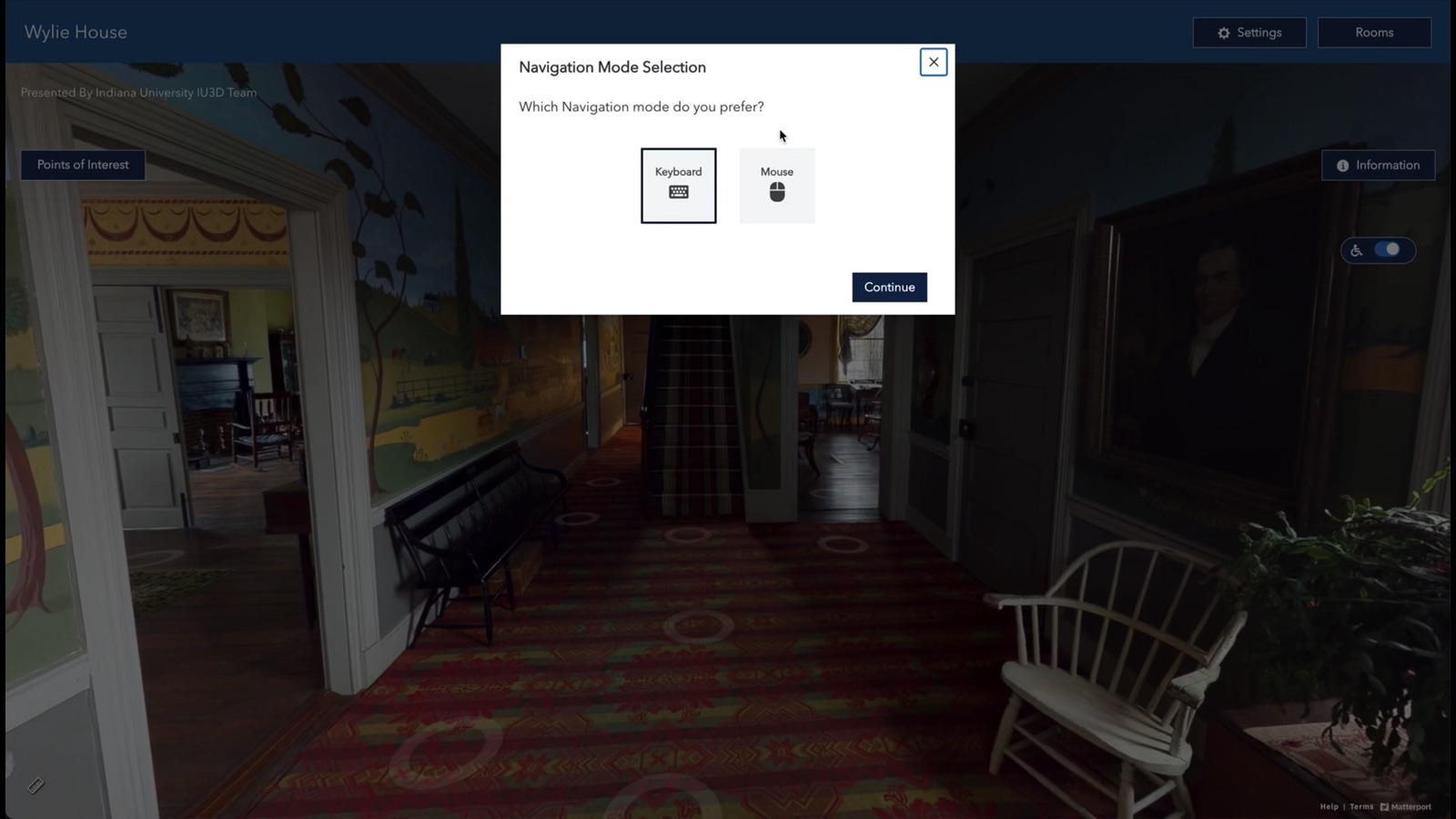
Virtual tours were built for the mouse and the eye.
As virtual tours and digital twins become part of how people visit museums, campuses, hospitals and airports, digital accessibility matters more than ever.
Yet many people, particularly those who rely on keyboard navigation, screen readers and other assistive technologies, have long been shut out of these experiences.
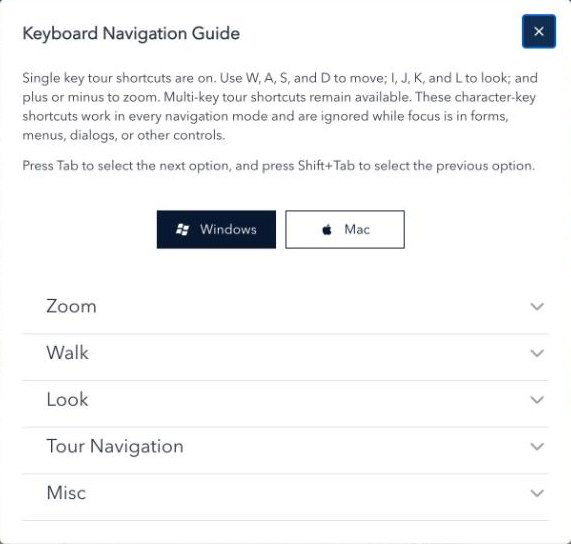
Built to WCAG 2.1, without rebuilding the tour.
- A navigation engine and content display built to WCAG 2.1, the W3C’s internationally recognised accessibility guidelines
- Full keyboard control: move, look around and zoom with single-key shortcuts
- Works with screen readers, with every scene and control announced
- Plug-and-play on existing 360° tours and digital twin platforms, or as a custom build
- An expanding suite of AI-powered features that improve the experience for every visitor

The first fully accessible virtual tour platform.
AVA introduced what accessible digital space could be with its custom Virtual Accessibility Experience for Frank Lloyd Wright’s Hollyhock House, a UNESCO World Heritage site, commissioned by the City of Los Angeles.
That proprietary engine now powers AVT, in use at museums, colleges, hospitals, heritage sites and airports from the USA to the UK and Australia.
Try a live tour with AVT switched on.
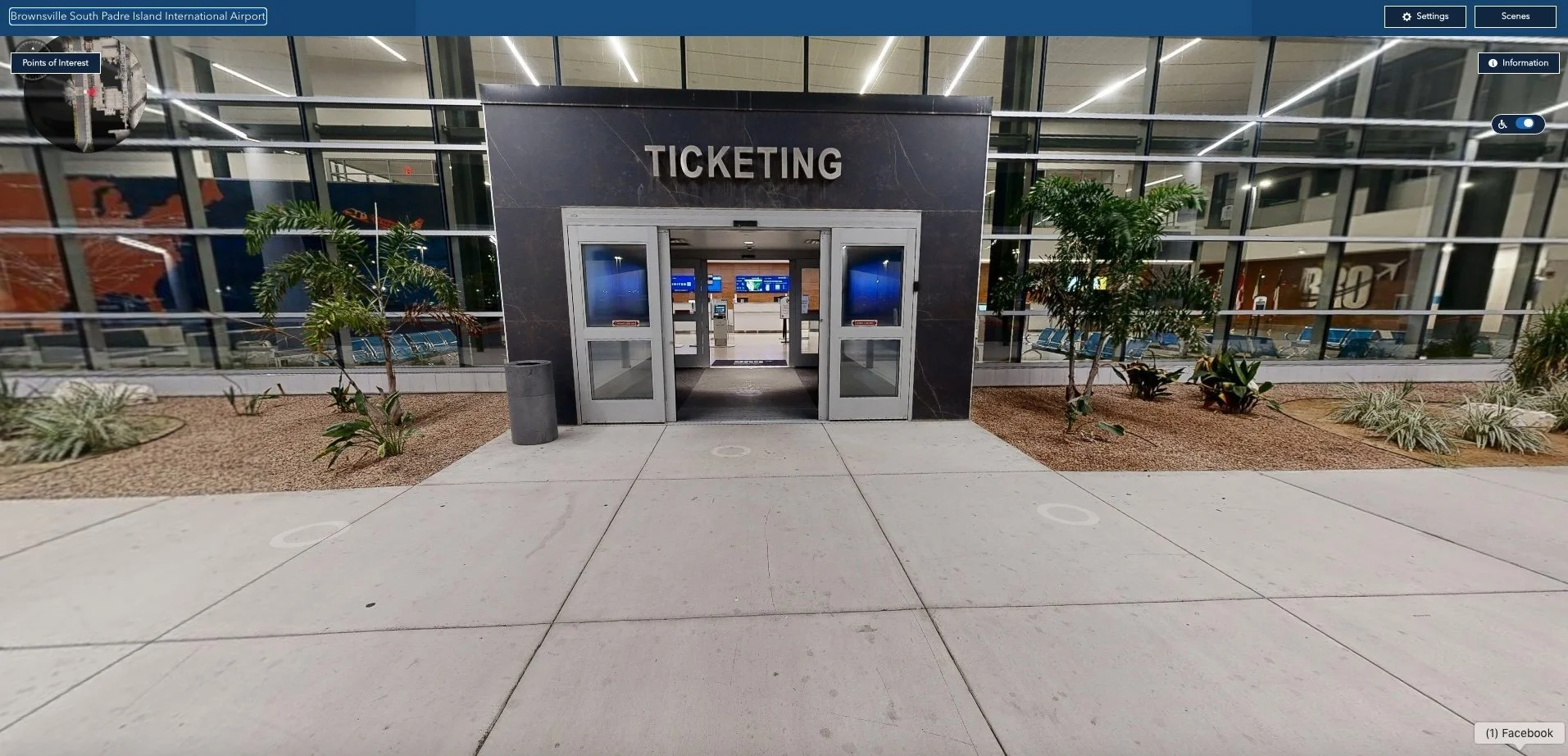
Use your keyboard, your screen reader or your mouse. Start with Brownsville South Padre Island International Airport.
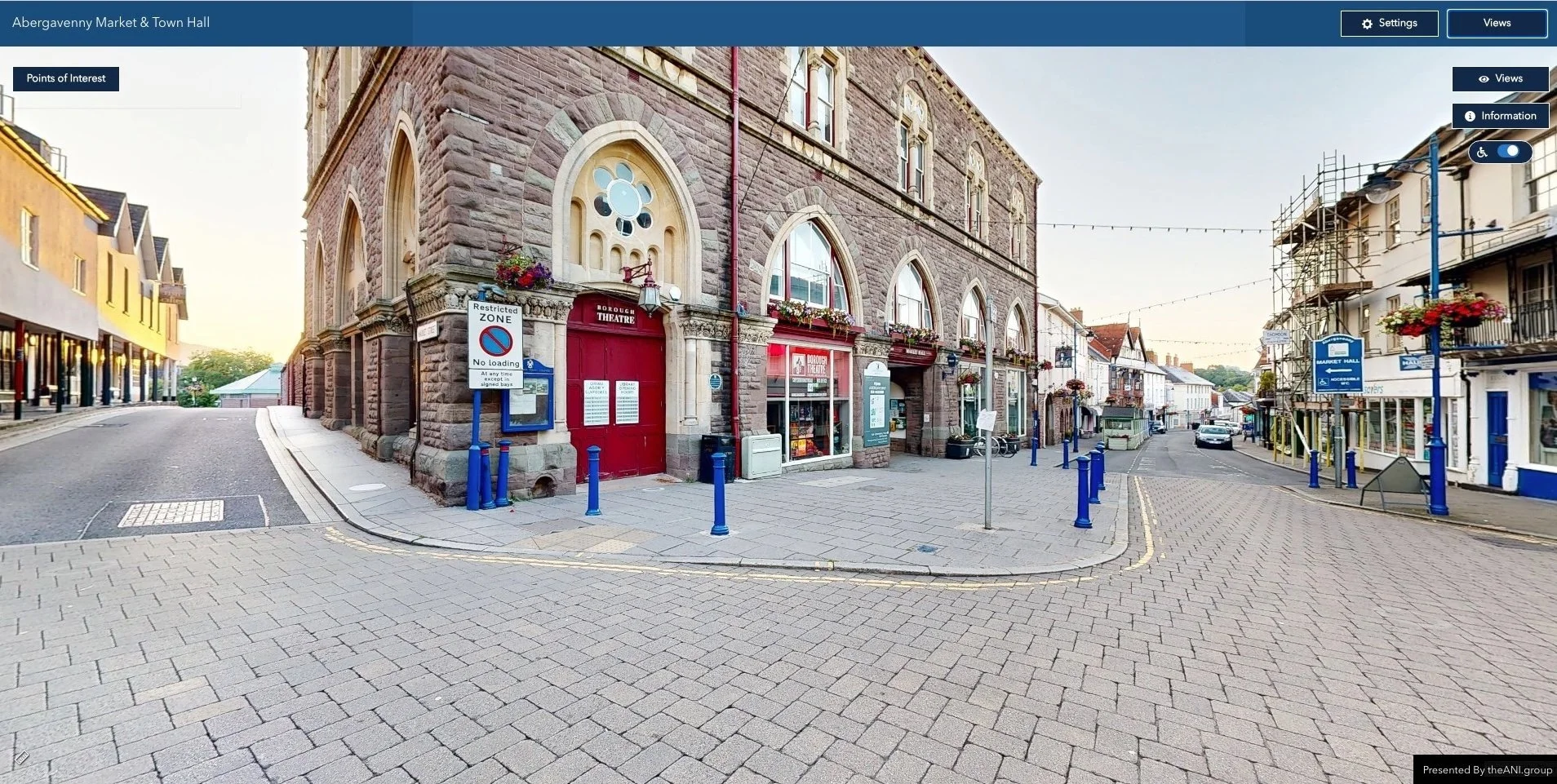
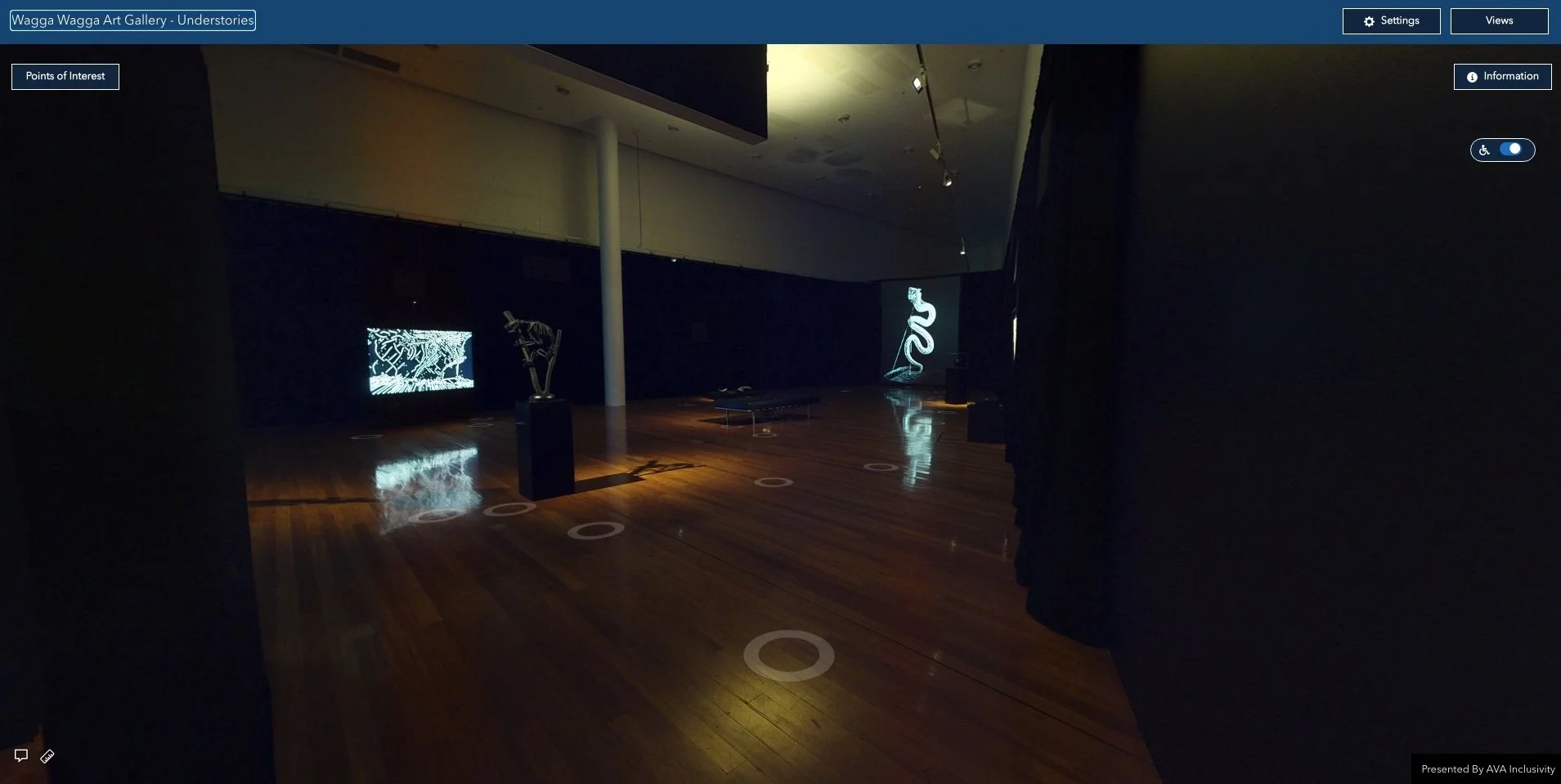
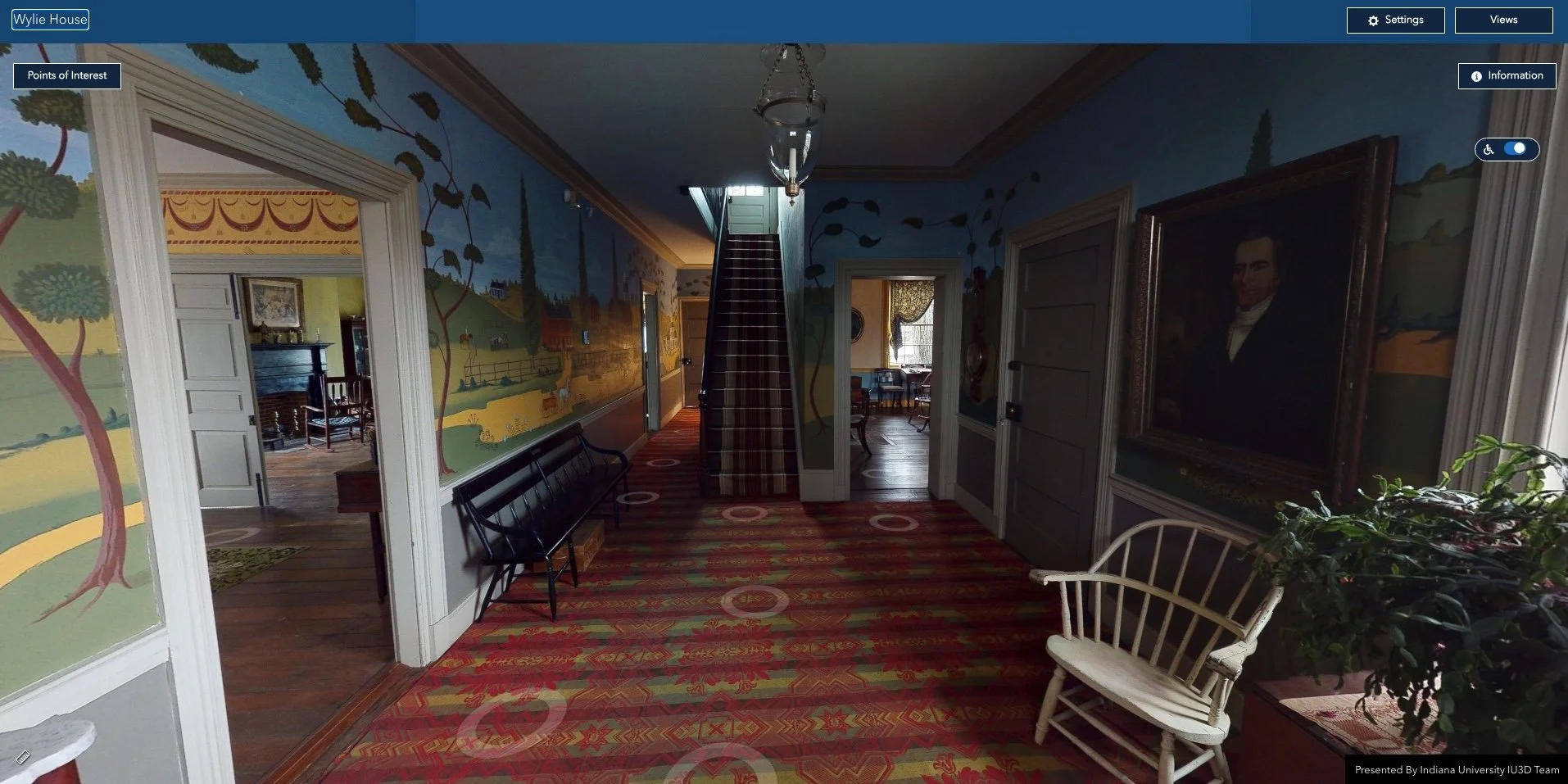
See an accessible virtual tour in action.
A short demonstration of AVA’s accessible virtual tour experience.
Accessibility isn’t a niche. It’s one in six people.
- 1.3 billionpeople live with a significant disability: about 1 in 6 people worldwide.
- 1 in 4adults in the United States has some type of disability.
- 63 millionAmericans care for a family member with a disability or serious illness.
- 1 in 5Americans will be of retirement age by 2030, when every Baby Boomer is over 65.
Sources: World Health Organization, Disability fact sheet; U.S. Centers for Disease Control and Prevention, Disability Impacts All of Us; AARP and National Alliance for Caregiving, Caregiving in the US 2025; U.S. Census Bureau population projections.
Make your digital twins truly accessible.
See AVT on your own space, or talk to us about a platform integration or a custom build.
AVT makes a space accessible. CAS makes it understood.
CAS, the Context Analysis System, builds on AVT’s foundation so that visitors can search, ask and be guided through a digital space in their own words.